She couldn’t trust the vendor reviews, so she trusted the women behind the businesses
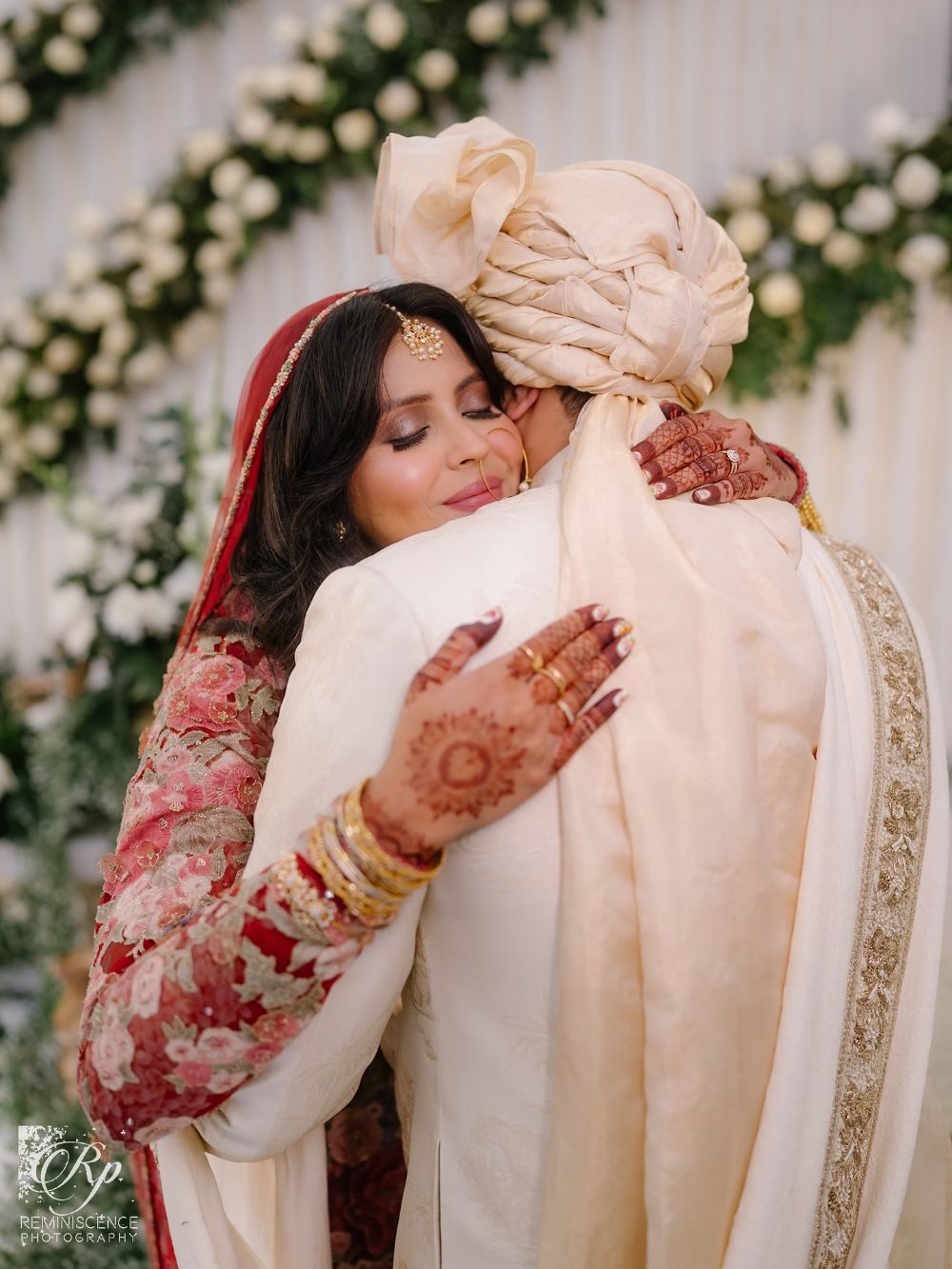
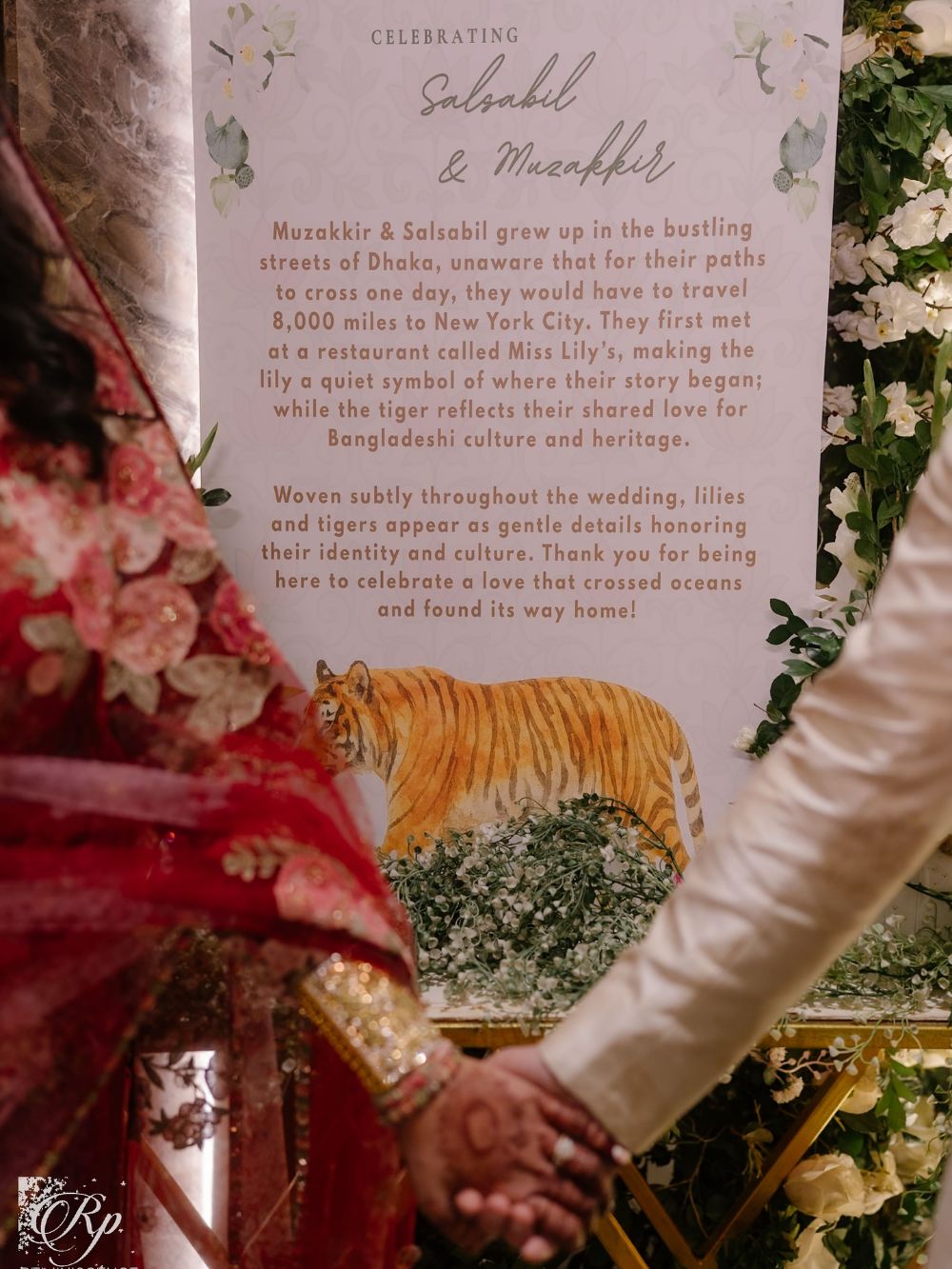
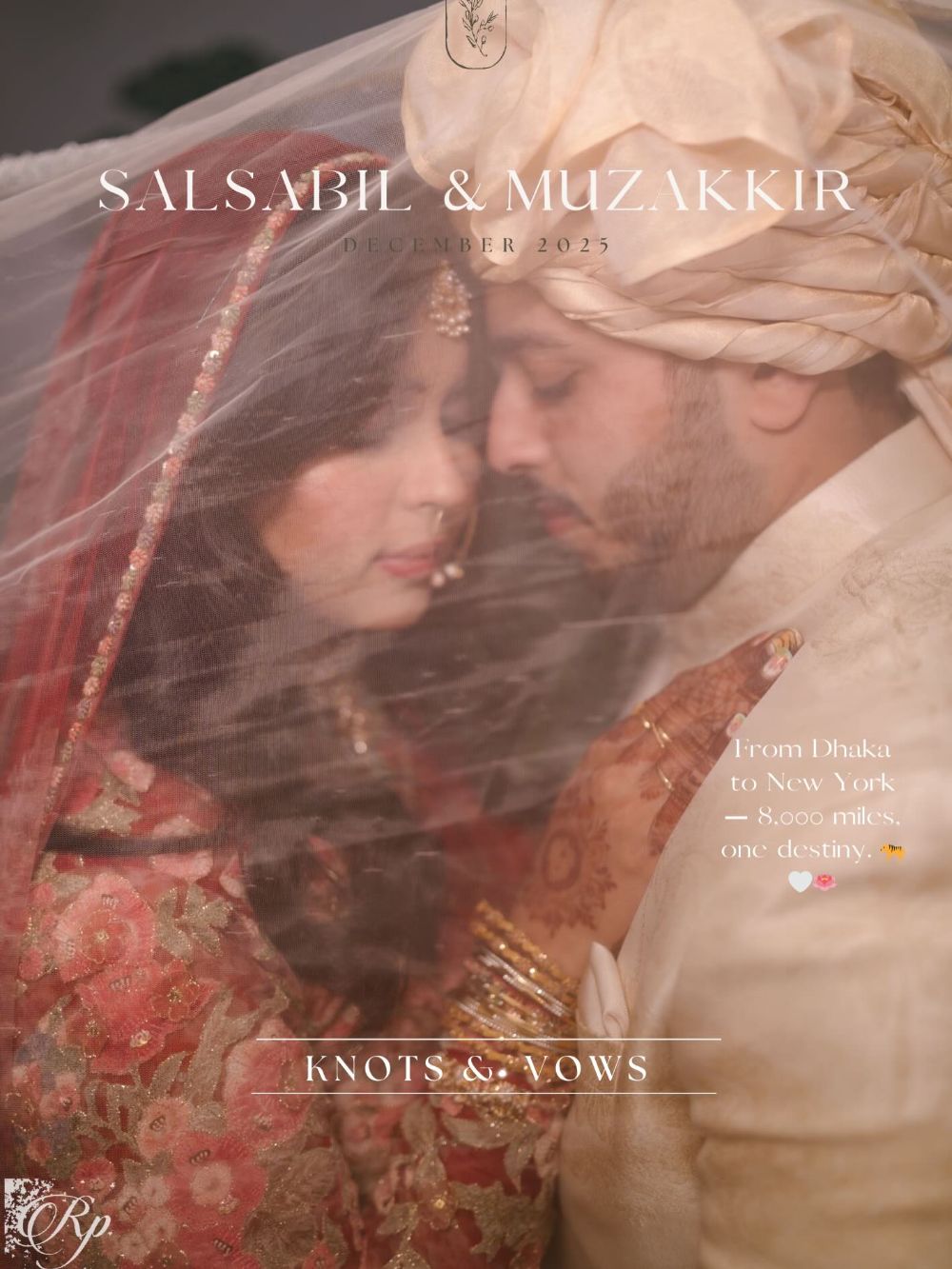
Salsabil’s first wedding planner was Instagram, although she would like it known that she was thorough about it. Born in Dhaka and now living in the US, she met her husband at a restaurant called Miss Lily’s in New York, where they bonded over how much they loved Bangladesh, its culture and its heritage. That became the starting point for their wedding. She wanted the celebrations to feel nostalgic and personal, with lilies to reflect where they met and tigers to reflect their shared love of home.
The location was never much of a question. Her parents wanted to invite around a thousand people, most of whom lived in Dhaka, and no destination wedding was going to accommodate that guest list. With nearly all the celebrations taking place in Bangladesh, thousands of miles from where Salsabil lived, she began researching about a year out, determined to find the vendors she wanted before their calendars filled up. Her bachelorette would be the only celebration held in the States.
She started with friends who’d married before, then moved to Instagram and the Facebook groups where brides in Dhaka compared makeup artists, photographers and decorators. The reviews were not especially helpful. For nearly every vendor, some people said they were wonderful and others said the opposite. The split, Salsabil says, felt something like 51 to 49. Eventually, she stopped trying to find a unanimous recommendation and decided to trust her instincts, though her instincts came with a fairly specific set of rules.
The split, Salsabil says, felt something like 51 to 49.
For decor, she deliberately looked beyond the biggest names in Dhaka. She admired their work, but wanted someone closer to her age who would understand her references without a lengthy explanation. She found two decorators through friends and family connections, and chose musicians who could play the throwback songs that suited the nostalgic mood. For makeup, she looked at what artists did on their own faces. If she liked their personal style, she reasoned, she might like what they did for her. Popular makeup artists booked out months in advance, so she contacted several and secured the first one who was available.
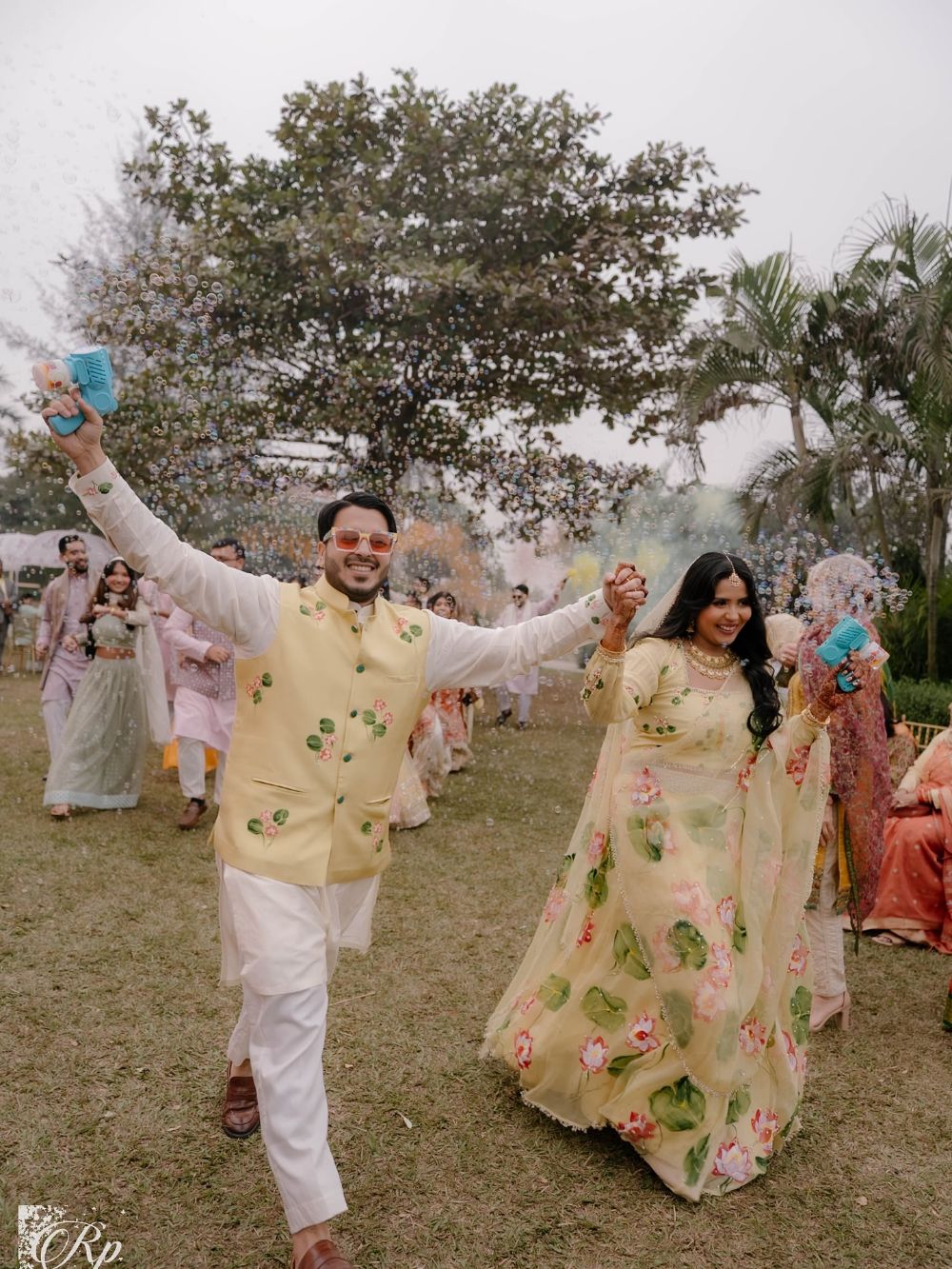
Her outfits followed much the same logic. For one celebration, she commissioned a piece from an artist in India who painted watercolors on clothing. They spoke, Salsabil liked her, and she flew to Kolkata to collect the outfit from the artist’s family home. They ended up having lunch together. For her haldi ceremony, a friend’s mother introduced her to a maker of traditional jamdani, the textile closely associated with Dhaka, and that outfit was customized too. She found jewelry through longstanding local shops and Instagram, mixing traditional pieces with pastel floral accessories.
The one thing she couldn’t easily find was a planner. Wedding planning was still a relatively new service in Bangladesh, and when Salsabil started looking, she found only a couple of planners in Dhaka. One had organized just one wedding before. But she didn’t need someone to choose vendors or develop the design. She’d already done that. What she wanted was someone to coordinate everything on the day, so she hired a planner for that part alone.
Traditionally, she explains, the family does much of that work in Bangladesh. Siblings, cousins, aunts and uncles organize vendors, manage guests and keep the celebrations moving. Salsabil has no siblings, and many of her mother’s relatives lived in the US, so much of the responsibility fell to her and her father. He handled the costs, her husband managed arrangements for his side, and her mother took charge of shopping. “I was there for the aesthetic,” Salsabil says, though the year she’d spent finding every vendor suggests she was responsible for rather more than that.
I was there for the aesthetic.
Some of her ideas came with expenses she hadn’t anticipated. One of the celebrations included a small carousel, which required its own generator. The planner had warned her it would cost extra, but it was the sort of expense that wouldn’t necessarily occur to someone looking at photographs of a finished event. Then politics complicated the celebrations in a way no planner could have anticipated. Bangladesh was going through a period of political transition, and one of her events coincided with protests. Around five hundred guests had been expected. Roughly a hundred and fifty attended.
Despite the complications, Salsabil was happy with the people she’d chosen. And looking back, she noticed something she hadn’t consciously planned: almost every vendor she’d hired was a bride herself. Some had recently married, while others were preparing for their own weddings. She’d simply gravitated towards women around her age, with similar tastes and an understanding of what mattered to her. “They kind of anticipated my needs and my vision,” she says.
They kind of anticipated my needs and my vision.
It was a rather different way of choosing vendors from the one she’d started with. The Facebook reviews had rarely agreed on anything, and the biggest names weren’t necessarily the people she wanted to work with. What made the difference was finding someone who understood what she was trying to create, whether that was a decorator who immediately recognized her references or an artist whose work she liked enough to travel to Kolkata to collect. She’d gone looking for people who shared her taste, and quite by accident, found herself planning a wedding with women who knew exactly what it was like to be the bride.