When a nonchalant bride cannot stop crying
She would happily have eloped. Instead she let her mother plan the wedding, and found she could not stop crying.
Anushka would have happily eloped, and she’ll tell you so herself. She met Prabir in college and they were best friends long before they were anything more. By the time they married, they knew each other about as well as two people can. They both also identify as easygoing people and knew that details around the wedding were never going to be the thing they argued about.
Her parents wanted the wedding in Nepal. Anushka is an only child, so this was the one wedding her mother would ever get to plan, and Anushka was happy to let her enjoy the decisions. The only thing she really held out for was a date locked a full year ahead. She and Prabir have lived such international lives that their friends were scattered across the world. She wanted every one of them to have time to book a flight to Kathmandu.
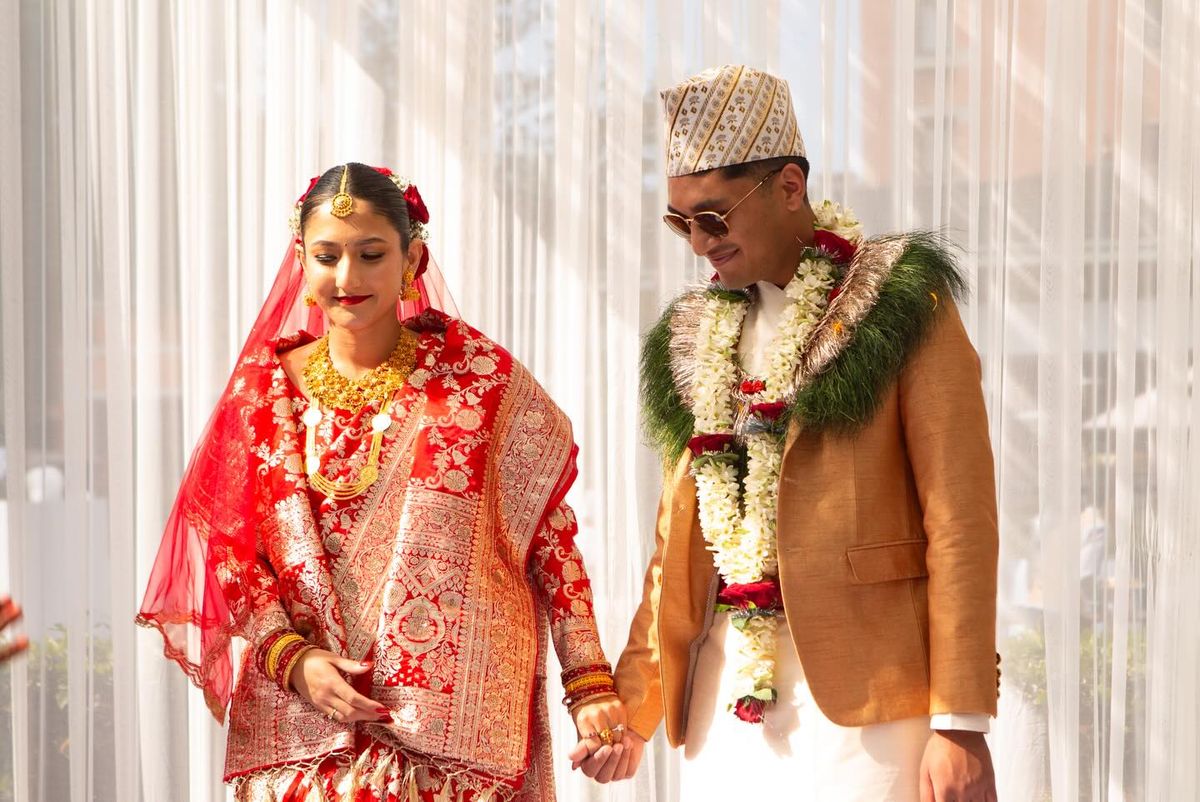
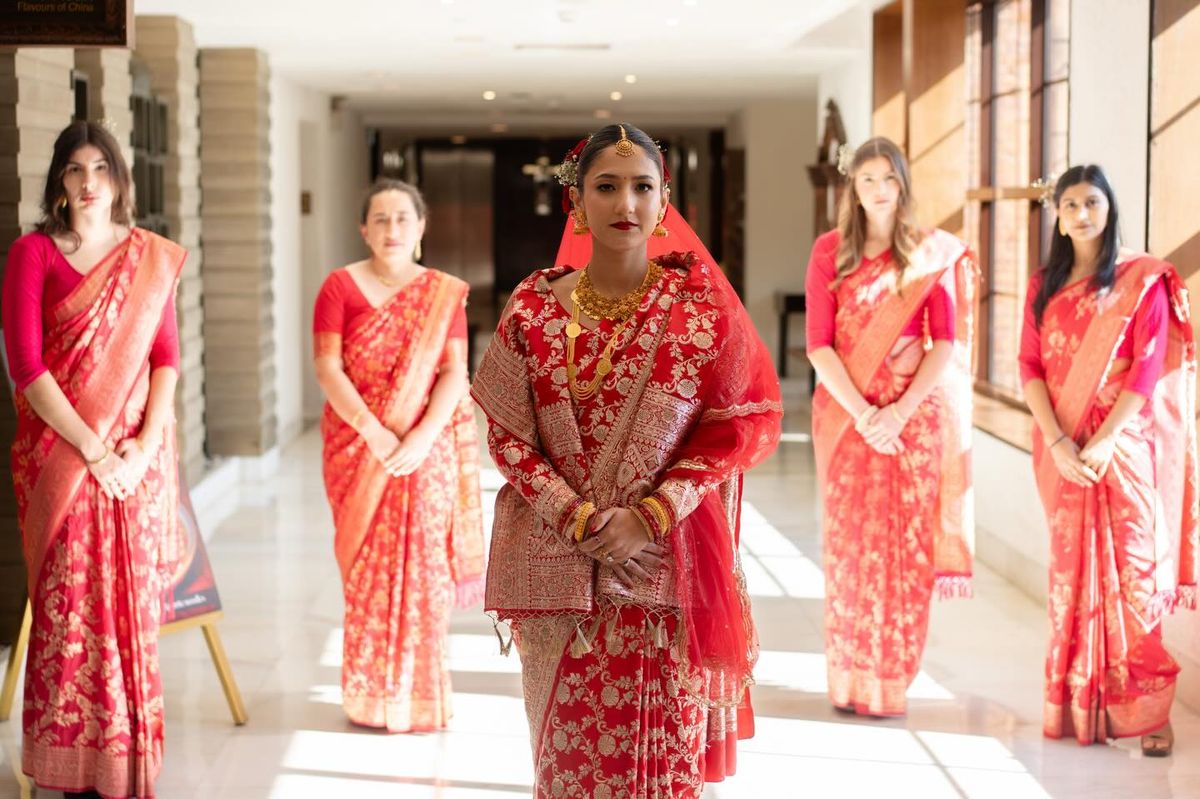
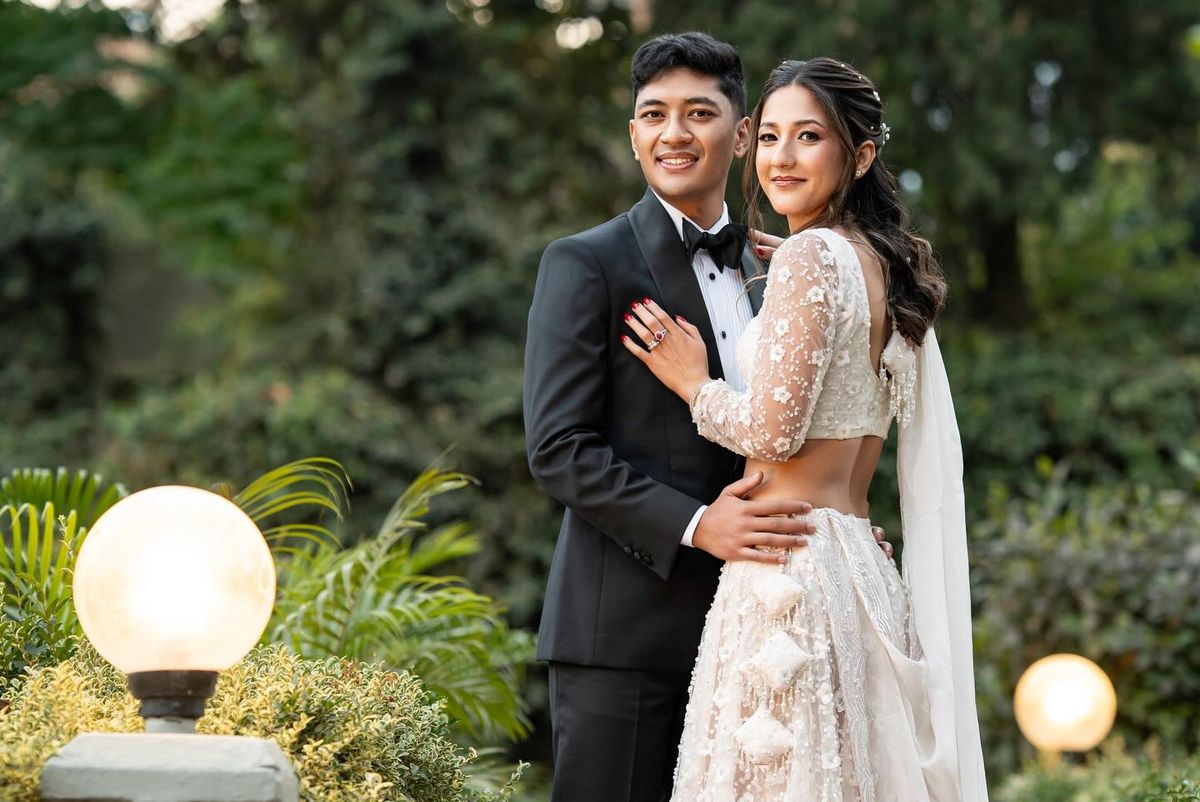
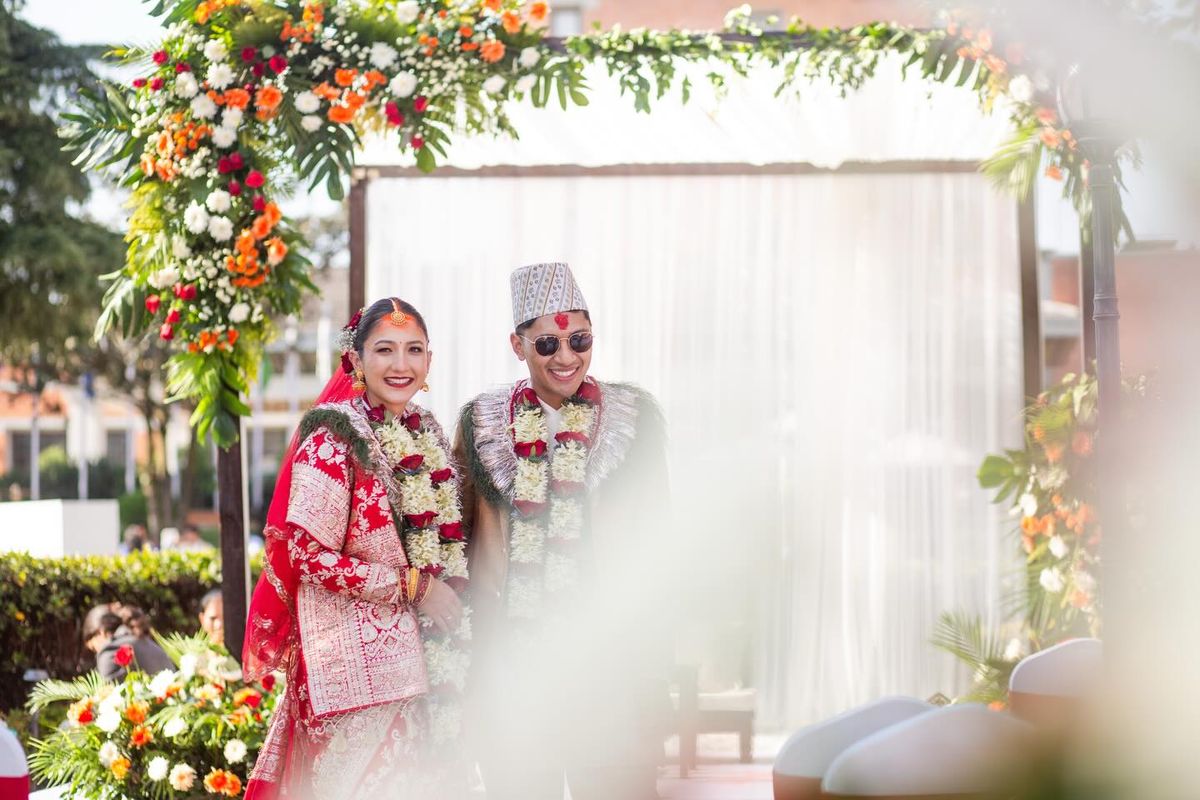
They planned a traditional Newari wedding: a supari ceremony, the wedding itself, and receptions on both sides. The wedding was set for a daytime event to make the most of the November sunlight.
When it came time to select a venue, she toured many hotels in Kathmandu and chose Soaltee. She was drawn by the pool, the tropical feel of the gardens and, above all, its reputation for getting things right. The hotel was also honest with her about coinciding events and other details from the very first conversation, which she came to appreciate enormously. For decor she went with Clover, whom a family friend recommended. She didn’t need a grand moodboard to know the one thing that mattered to her, which was that every flower at her wedding would be real.
Where Prabir really shone was the save-the-dates, which he designed himself. Meanwhile her cousin in Kathmandu, who worked alongside photographers and event planners, quietly handled the first round of every vendor conversation. It never mattered that the bride was planning from the other side of the world.
In Nepal, the two families often plan with separate vendors. Anushka and Prabir’s families shared theirs, which is its own small sign of how weddings here are changing. It also meant that, without anyone quite deciding it, Anushka became the person carrying messages between the vendors and Prabir’s parents. So she set up a group chat that brought everyone into the same conversation, and from then on they were all planning together.
Watching her mother put the puja trays together, for the first time it felt real.
She arrived in Kathmandu a week before the wedding, as relaxed as she had been all year. She assumed things would really kick off once her friends flew in. But it hit her sooner than that, on an ordinary afternoon at home. She was lying around in her track pants, watching her mother put the puja trays together, and for the first time it felt real.
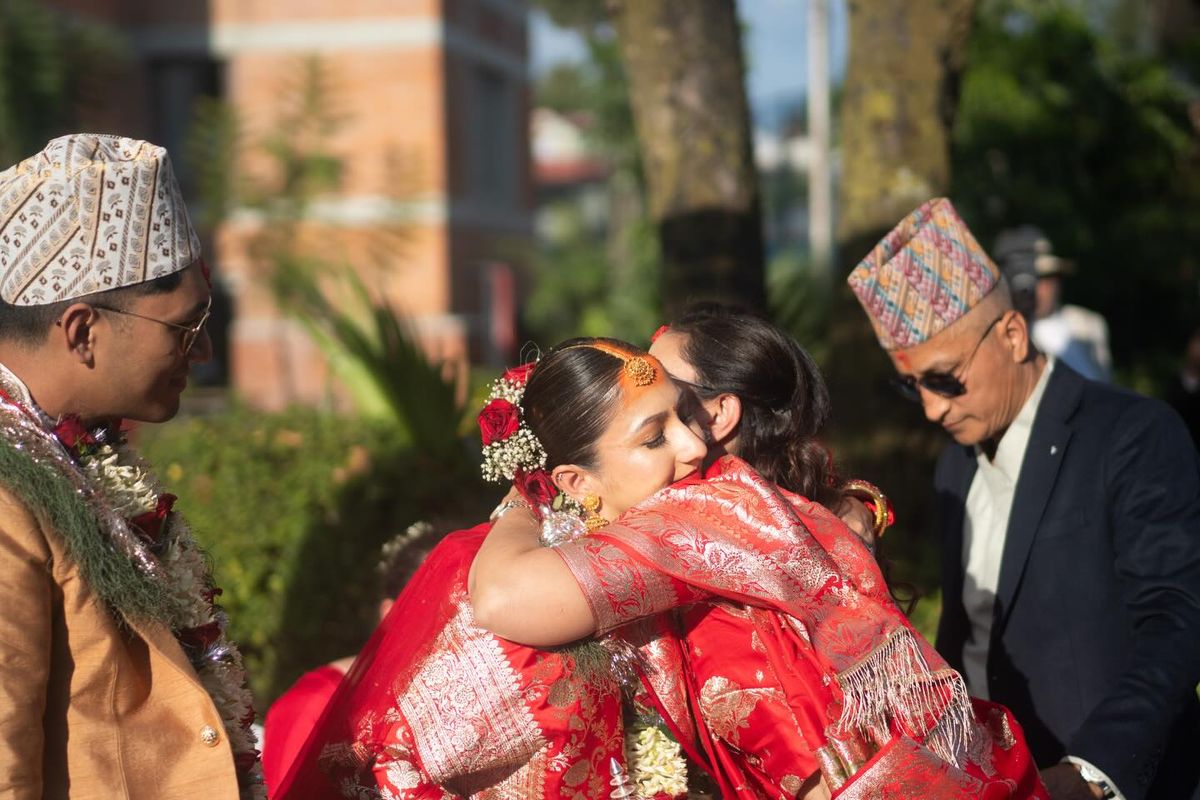
Then came the rehearsal. Clover walked the family through the whole wedding at the Soaltee, running the show from start to finish. And somewhere in the middle of it, the bride who had said all along that she didn’t mind either way started crying.
When her friends finally arrived, they threw her a bridal shower, and the celebrations began in earnest. The supari came next, the ceremony at home where the groom’s family sends gifts to the bride. For Anushka, it quickly turned into a dance party, with her friends and her dad right in the middle of it. On the wedding day, her one worry was whether the janti would arrive on time. She had heard the story of one that turned up four hours late. Prabir’s family broke every stereotype by arriving right on the dot.
Maybe the brides who say they don’t care are simply the ones who haven’t met the moment yet. She never needed the centerpieces or the frivolity. What undid her was watching her mother put those trays together, and knowing everyone she loved was on their way.