Letters · Shaibyaa Rajbhandari · 3 min read
The anatomy of a seating chart
Three days before the wedding, a seating chart showed me what wedding burnout really looks like.
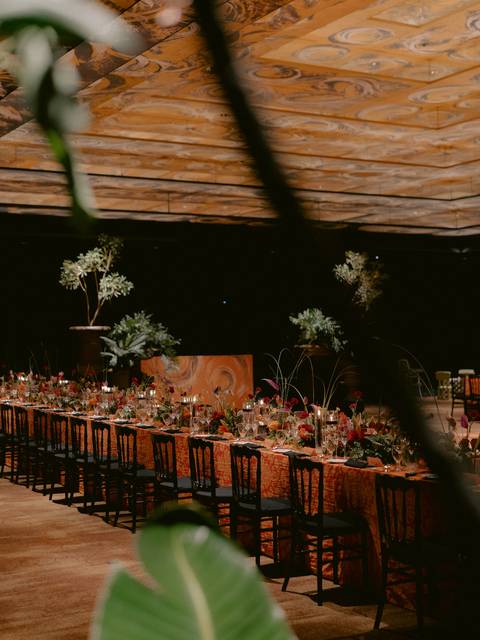
Three days before the wedding, while I was at my own bachelorette trying to mentally clock out for maybe forty-five minutes, I was simultaneously building a seating chart because guest counts always change till the day before, and suddenly everybody needed finalized tables immediately.
Why I decided to plan my bachelorette three days before the wedding and somehow believed it would be relaxing — the theme was yoga, please do not ask me.
The planner needed it. The decorator needed it. The hotel needed it. And because it was a seated dinner, nobody could proceed until I decided where human beings would physically exist for three consecutive hours.
As happy as I was that my friend Paul was able to squeeze his PTO to attend, I wasn’t too happy having to flip the entire seating chart so that he was next to his friends but still far away from his ex-girlfriend who was also attending.
Under normal circumstances, this is exactly the kind of thing I would have been good at. I love social dynamics. I understand energy. I know who carries conversations, who needs buffers, who gets socially overwhelmed, and which friends can singlehandedly keep an entire table alive.
But by that stage of planning, my brain was completely burnt out. After all, I had spent the last two days going over verses the priest would recite, running to final outfit trials, and updating the menu.
Suddenly every seating decision felt weirdly impossible. Do I seat my and my fiancé’s parents together in a symbolic family table even though they do not fully speak the same language? Do I split them up and use my louder family members as social buffers? Do couples stay together? Do friends prefer familiarity or novelty?
The only easy decision was my cousins, who sat next to the kids’ table because they wanted to supervise their tiny chaos agents.
This is what wedding burnout actually looks like.
Not dramatic breakdowns. Not crying on the floor. It is becoming incapable of making small decisions you would normally handle extremely well because your brain has been holding too many tabs open for too long.
I eventually half-assed the seating chart because I no longer had the emotional bandwidth to optimize human chemistry. I made the head table one long singles table because playing Cupid felt easier than navigating real-time translation between my mother and mother-in-law. I scattered friends throughout the room and tried to distribute energy evenly.
In reality, half the room was great. The other half felt emotionally flatter than I wanted.
Not catastrophic. Nobody stormed out. People still had fun. Barring the sarcastic remarks I got from my best friend’s husband — aka one of the sacrificial lambs who was a buffer between two friend groups that did not know each other.
But by the end of wedding planning, you are no longer making decisions from clarity. You are making them from depletion.
And I think brides need to know that early. Because at some point the challenge is no longer whether you are capable of planning the wedding well. The challenge is whether your brain still has enough left to care about the details the way you normally would.
From Dear Darling, You're Not Just Planning A Wedding
Married too? Review your vendors →