Letters · Shaibyaa Rajbhandari · 4 min read
The morning after
The guests go home, the planning stops, and a different kind of work begins.

I did not shed a single tear at my wedding. I was too happy to cry. Then on the third night, after we had all jumped into the pool before calling it a night, the first group of friends began to leave. And I felt it — the closest thing I can describe to Sunday scaries. The specific dread of something good that is almost over.
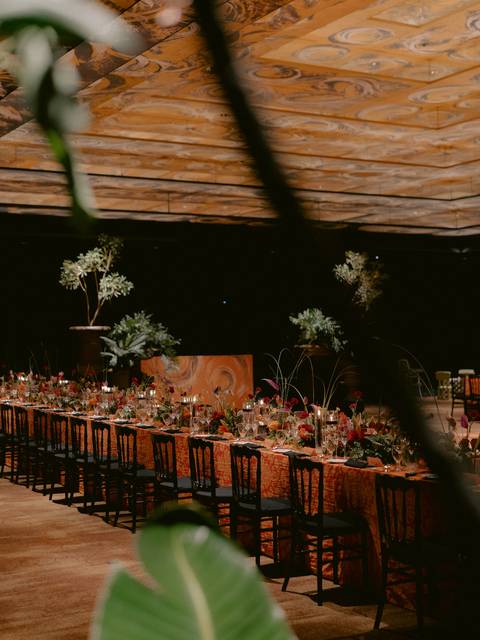
The next morning, saying goodbye to the next set of guests, I burst into tears. The dining room where we had eaten breakfast together for three days — all of us, every morning, one long sprawling table of people I love — had been reconfigured back to its original hotel layout. Clean. Symmetrical. Empty.
The wedding was over.
My marriage was beginning, with the man I love, and I knew that was the point of all of it. But I also knew that this particular gathering — everyone I love in one place, keeping up with my tantrums, celebrating me — might never happen again in quite this way.
I assumed it was just me. I was the obsessive planner, fussed about every detail. I figured my husband, as much as he had enjoyed himself, would feel relieved it was over. But he was sad too. So much so that he asked me, unprompted, whether I would want to do the full Nepali celebration the following year.
We went back to our room carrying equal parts joy and grief, and neither of us tried to talk the other out of either.
And then the other reality arrives.
The incomplete vendor receipts you have been putting off chasing. The leftover bottles of whiskey and wine sitting in the corner of your room that need to go somewhere. The thank-you note mountain. The dress hanging in the closet in a bag you are not ready to open. The vendor reviews you have been meaning to write for three weeks. The logistics of a wedding do not end on the night. They just become less glamorous.
There is also an identity decompression that nobody really warns you about. I found it strange when people began treating me as a bride immediately after the engagement — suddenly that was my defining characteristic in every room. But somewhere along the way I had become weirdly accustomed to it. The journey back to plebhood is not fun. There is a specific grief in losing the free pass that wedding planning quietly gives you: the permission to be a little self-focused, a little chaotic, a little excused from normal life. And then one day it is simply gone.
The deeper recalibration, though, is between the wedding you planned and the marriage you are now in. What you learned about yourselves from having done this. What surprised you. What you are glad you fought for. What you wish you had let go. The gap between the wedding you imagined and the one that actually happened is often where the most honest parts of the story live — the chaos, the compromises, the moments nobody photographed, the things that went wrong and became the things you laugh about most.
The morning after the morning after, ordinary life resumes. Emails. Groceries. Tuesday.
It does not feel like a disappointment once you understand what it actually is. It is the point.
The strange thing about holding a wedding together emotionally is that when you do it well, nobody notices it happened at all. People assume the flawless forty-five-minute church ceremony simply unfolded that way. They see the flowers, the music, the vows. They do not see the negotiations behind the scenes. The difficult conversations. The effort it took to ensure everyone in that room felt seen enough, respected enough, included enough for those forty-five minutes to hold.
Nobody praises the verse you removed. The sentence you quietly changed. The twenty hours spent making sure one side did not feel erased while the other did not feel rejected.
That is the paradox of emotional labor: success becomes invisible. People only notice when something feels awkward, tense, or fractured. When it works, they simply assume it required no work at all.
But perhaps that is also what marriage is. Quietly building a life around constant translation. Absorbing friction before it becomes rupture. Hoping the people inside it simply experience it as love.
From Dear Darling, You're Not Just Planning A Wedding
Married too? Review your vendors →